
Accessible popup
Welcome to Finsweet's accessible modal component for Webflow Libraries. This modal uses Webflow Interactions to open and close. It is accessible through custom attributes and custom JavaScript added in the embed block of the component. If you're interested in how this is built, check out the Attributes documentation page for this modal component.
See docsAccessible popup
Welcome to Finsweet's accessible modal component for Webflow Libraries. This modal uses Webflow Interactions to open and close. It is accessible through custom attributes and custom JavaScript added in the embed block of the component. If you're interested in how this is built, check out the Attributes documentation page for this modal component.
See docsresources
resources
Helpful Industry links
Want to dive deeper into the world of asphalt? The resources below give you access to more educational tools and videos to better equip you as an asphalt expert!
ATS
Asphalt Testing Solutions & Engineering (ATS) is a third-party asphalt materials testing lab contracted to manage Duval Asphalt's Quality Control Labs. ATS has an AASHTO-accredited asphalt binder lab and mix lab and offers educational classes and workshops for asphalt industry personnel.
Read more
NAPA
The National Asphalt Pavement Association (NAPA) represents the interests of asphalt mixture producers and paving contractors nationwide. Its team advocates for the industry on Capitol Hill, collaborates with federal agencies (such as FHWA and FAA), and advances technical research, sustainability, and worker safety.
Read more
ACAF
The Asphalt Contractors Association of Florida (ACAF) represents and advocates for Florida's asphalt paving and production industry. Duval Asphalt President Mitchell Gant, is the current ACAF chair. In this role he leads the Board of Directors, guides strategic industry efforts, and champions initiatives for Florida’s asphalt production and paving sectors.
Read more
FDOT
The Florida Department of Transportation (FDOT) is an agency that plans, builds, maintains, and operates Florida's statewide transportation system. All of our state jobs must meet the FDOT specifications.
Read more


resources
What You Don’t Know
What you don’t know about your pavement could be costing you money! Preventative maintenance is the key to making your pavement investment last. Our guide below should help evaluate your pavement and identify specific tasks to improve its condition and increase its value.
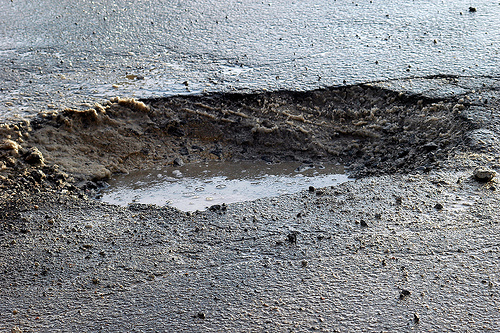
Potholes
These all too common pests can be the result of poor drainage, pipe failure, insufficient asphalt depth or base, or a lack of proper maintenance. Not only are these bowl-shaped holes of various sizes unsightly, they are also a liability – risking damage to vehicles and creating a trip hazard to pedestrians.
Read more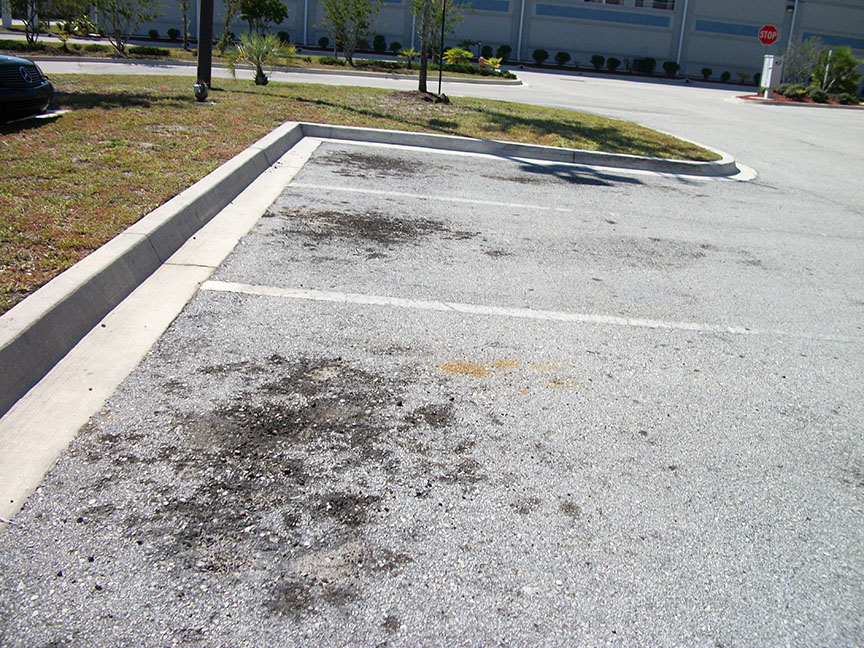
Gas & Oil Stains
Gas and Oil Stains are unavoidable in most parking areas. The high volume of parked vehicles all but guarantees that at some point your asphalt will fall victim to an unsightly stain. The problem is much bigger than simply being unsightly, however. Oil and gasoline can destroy your parking lot. The liquid corrodes the very chemical make-up of the asphalt, resulting in potholes and weak spots.
Read more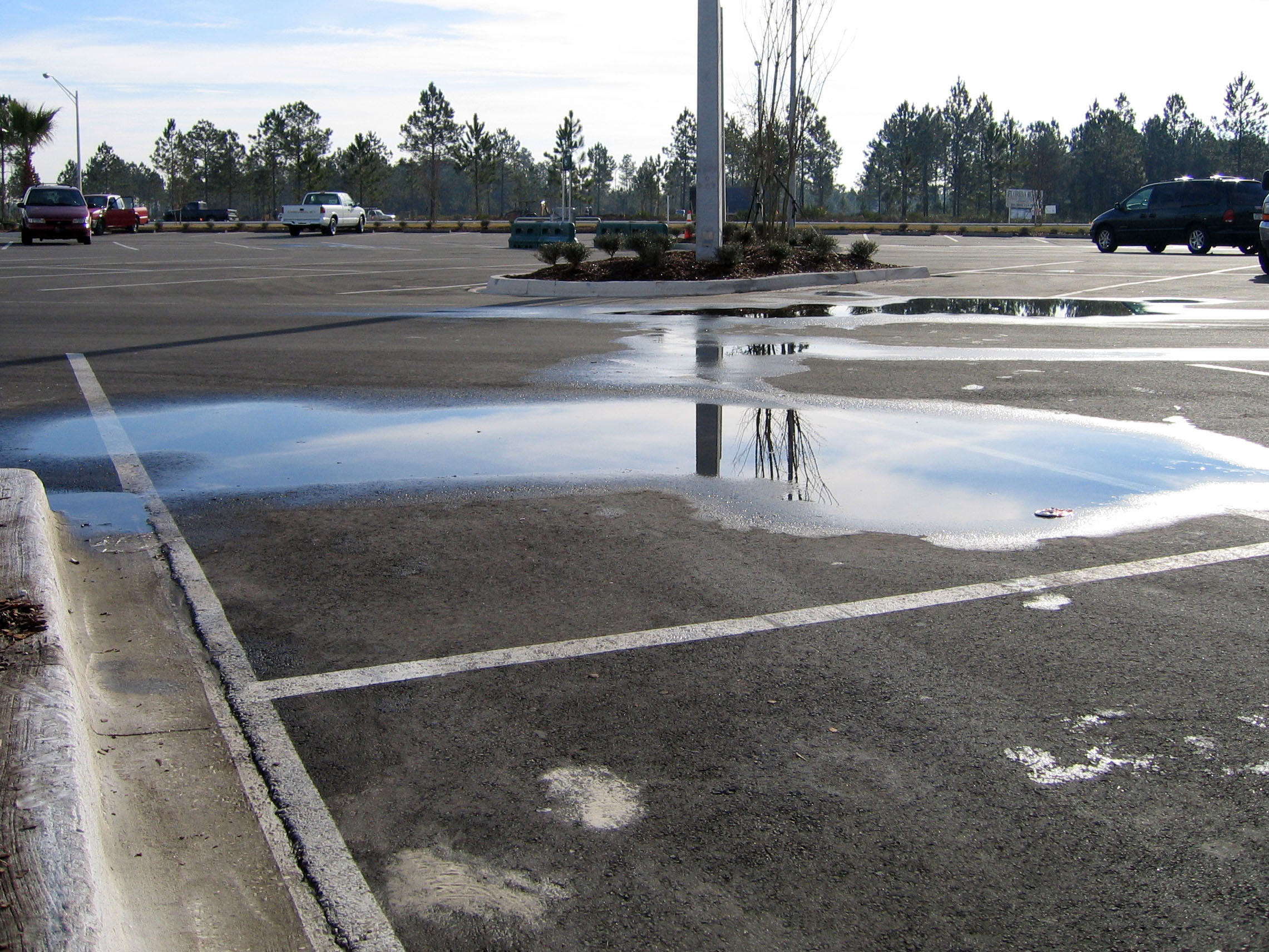
Grade Depressions (bird baths)
Also referred to as birdbaths, these localized low areas are limited in size and often indicated by standing water. Generally speaking, these are caused by heavier traffic than the original pavement design intended, weak spots in the base material, or localized subsurface drainage issues.
Read more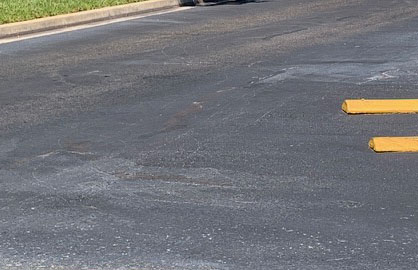
Rutting
Corrugation or rutting is a fairly regular pattern of wave-like bumps across your pavement surface. This can be caused by instability in the asphalt or asphalt base, or by the presence of heavier traffic than the original pavement design intended. For instance, the regular traffic from waste management vehicles pulling in and out often causes the asphalt to shove or push up into ruts.
Read more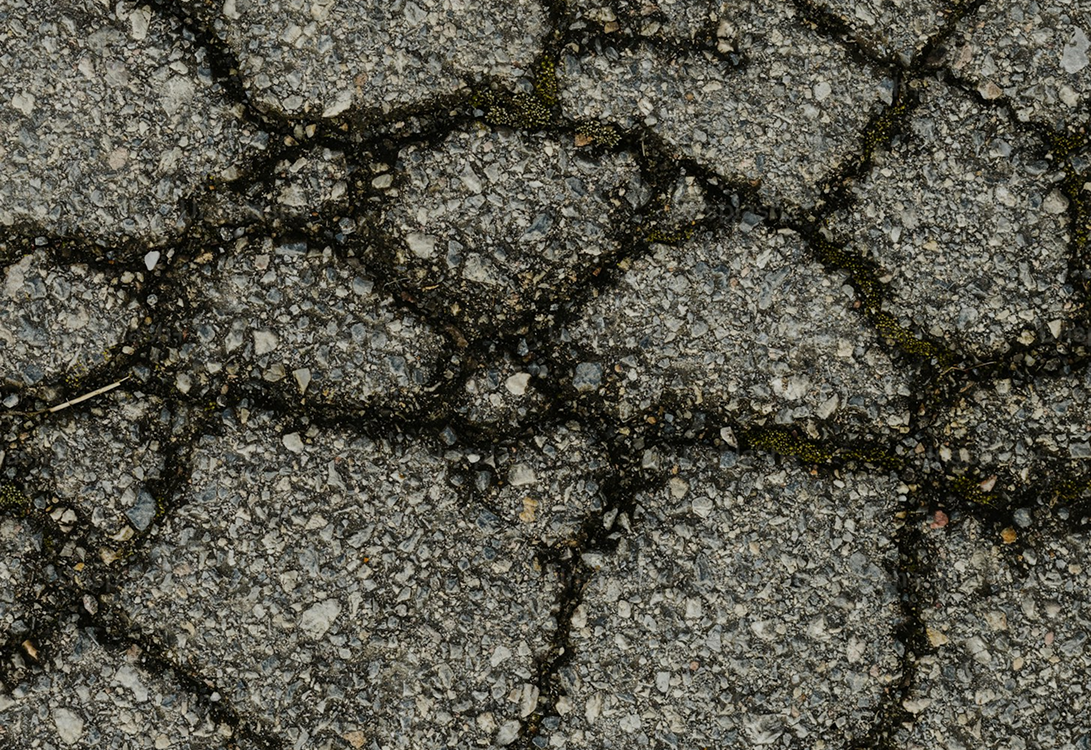
Cracking
To understand cracking, one must understand asphalt. A good analogy would be to think of asphalt as icing on a cake. The icing is only as good as the cake it sits on. Similarly with asphalt, it’s only as good as the base it sits on. Most cracks are formed from underneath the asphalt and reflect up through the asphalt. Understand there are more variables that go into the equation – such as water, oxidation and traffic. By nature, asphalt is designed to be a flexible pavement. This makes it more forgiving than concrete. When asphalt is new, it is able to handle slight movements in the base, such as settling, but as asphalt ages from exposure to water, the sun and other elements, it begins to lose its flexibility, becoming brittle. Instead of giving in unstable areas, it is more likely to crack.
Read more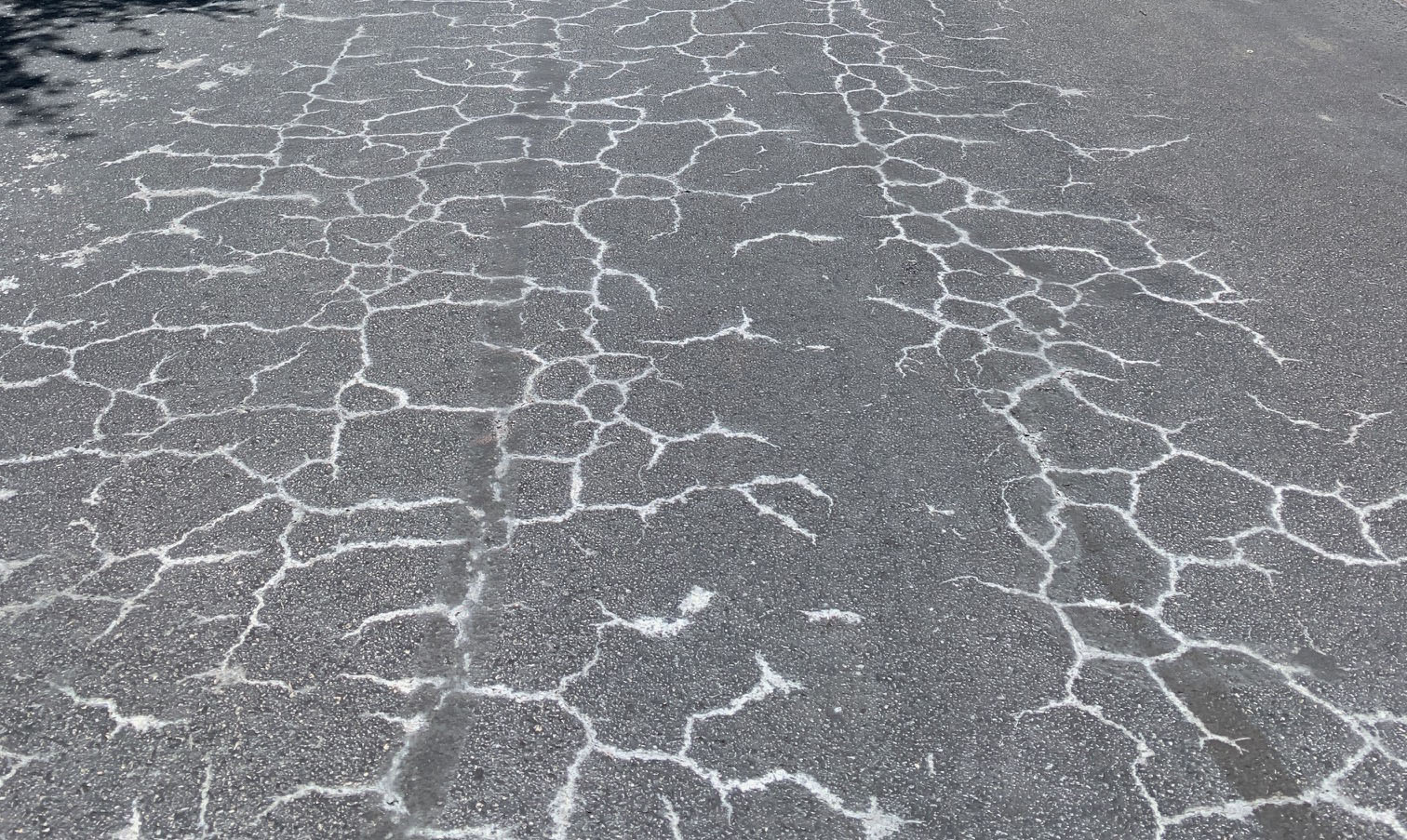
Alligator Cracking
A series of interconnecting cracks spread over a portion of your pavement in a pattern resembling the skin of an alligator. They are caused by soft base or a high presence of moisture in the base. This is the most severe cracking and can create the most problems, costing the most money if not fixed.
Read more
Longitudinal Cracking
This is composed of numerous long cracks spaced evenly apart that run parallel or perpendicular to one another. This is typically caused by a rigid base material underneath the asphalt.
Read moresafety data
sheets
Duval Asphalt provides safety data sheets for the products it produces. Click on a product below to access its SDS.